Digging Up Delicious: The Americans Rebuilding Their Culinary Roots One Lost Recipe at a Time
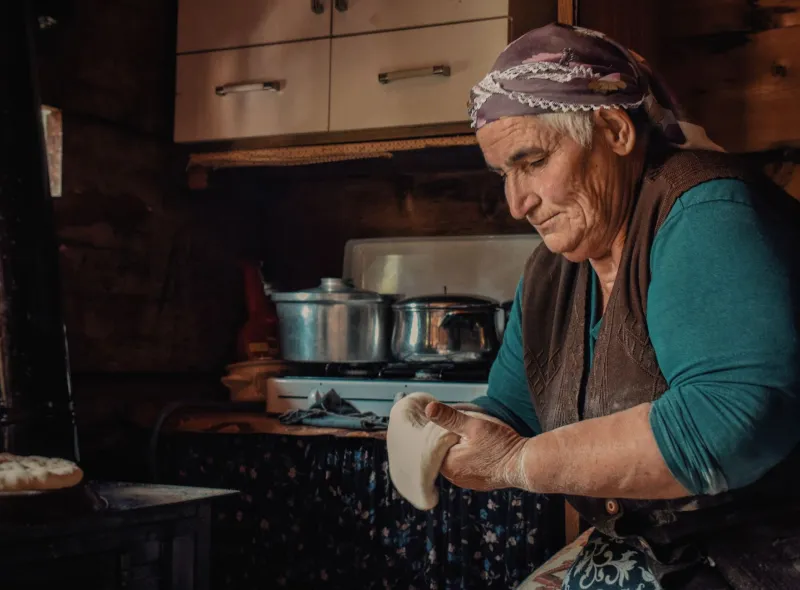
There's a particular kind of heartache that hits when you realize a recipe is gone. Not a cookbook recipe you can Google — but that one. The soup your grandmother made every winter that smelled like safety. The cookies your uncle brought to every birthday that nobody else could ever quite replicate. The dish that showed up at every family reunion and then, quietly, just... stopped showing up.
For a growing number of Americans, that heartache has become fuel. They're hunting down lost recipes with the focus of seasoned investigators, piecing together food memories from old photographs, handwritten notes, and conversations with relatives they'd barely spoken to in years. Welcome to the world of culinary archaeology — and honestly, it might be the most joyful kind of digging there is.
When a Photograph Becomes a Recipe
Maria Delgado-Reyes, a 38-year-old teacher from San Antonio, Texas, started her food recovery journey with a single photograph. It was a blurry Polaroid from the early 1980s showing her late abuela standing proudly next to a pot of something rich and dark on the stove.
"I had no idea what she was making," Maria says. "But I could tell from her face that it mattered. So I sent the photo to every older relative I could find on Facebook and just asked — does anyone know what this is?"
Three cousins, two aunts, and one very enthusiastic great-uncle later, Maria had a rough sketch of a family mole recipe that hadn't been made in nearly two decades. She spent six weekends testing variations, adjusting chili ratios, and yes — crying a little — before she landed on something that made her mother gasp and cover her mouth.
"She said, 'That's it. That's the one.'" Maria laughs. "I've never felt more accomplished in my life, and I'm a teacher. I've helped kids learn to read."
Maria's story isn't unusual anymore. Food bloggers, home cooks, and cultural preservationists across the country are sharing similar experiences online — and building communities around the practice of recovering what was lost.
The DNA Kitchen Connection
One of the more surprising tools in the culinary archaeologist's toolkit? Ancestry DNA kits. Yes, the same tests people use to discover they're 12% Scandinavian or unexpectedly connected to a distant cousin in Georgia.
When James Whitfield, a 52-year-old project manager from Cleveland, Ohio, got his DNA results back, he discovered a significant West African heritage he hadn't fully explored. He started researching traditional dishes from the regions his results pointed to — Senegal, Ghana, Sierra Leone — and found himself drawn into a world of spiced stews, groundnut soups, and jollof rice traditions that felt both completely new and oddly familiar.
"I grew up eating certain flavors without knowing where they came from," James explains. "Finding those connections through food was like putting on glasses for the first time. Everything came into focus."
He's now part of an online group called Roots & Recipes, where members share dishes tied to their ancestry discoveries. The group has over 14,000 members and counting.
Community Archives: The Hidden Treasure Troves
Local libraries and historical societies have quietly become goldmines for this movement. Church cookbooks from the 1940s and 50s. Community fundraiser recipe collections. Handwritten immigrant cooking guides donated by families decades ago.
In cities like Chicago, New Orleans, and Philadelphia — places with deep, layered immigrant histories — these archives are seeing a surge of visitors who aren't historians. They're just people trying to find out how their people used to cook.
Librarian and archivist Priya Nair at the Chicago Public Library has noticed the shift firsthand. "We've always had these collections," she says, "but in the last few years, there's been a real emotional quality to the visits. People aren't just curious — they're searching for something. And when they find it, it's genuinely moving to witness."
Priya has started hosting monthly "Recipe Recovery" sessions where community members bring food mysteries and dig through local archives together. The sessions are booked solid months in advance.
Why This Matters Beyond the Kitchen
Food psychologists and cultural researchers are paying attention to this trend, and for good reason. Food memory is one of the most powerful forms of emotional memory we have. The smell of a particular spice or the texture of a specific dish can transport us instantly — not just to a time, but to a feeling of belonging.
Recovering lost recipes, researchers suggest, is often about recovering lost identity. For communities whose culinary traditions were disrupted by migration, assimilation pressure, or generational trauma, rebuilding those food connections can be genuinely healing.
For second and third-generation Americans especially, food can serve as a bridge across cultural distances that language sometimes can't cross.
How to Start Your Own Culinary Dig
Thinking about embarking on your own food recovery journey? Here's where most people find success:
Start with the oldest relatives you can reach. Even if they don't have recipes written down, they often hold sensory memories — "it was thick, kind of sweet, always served in the blue bowl" — that give you something to work with.
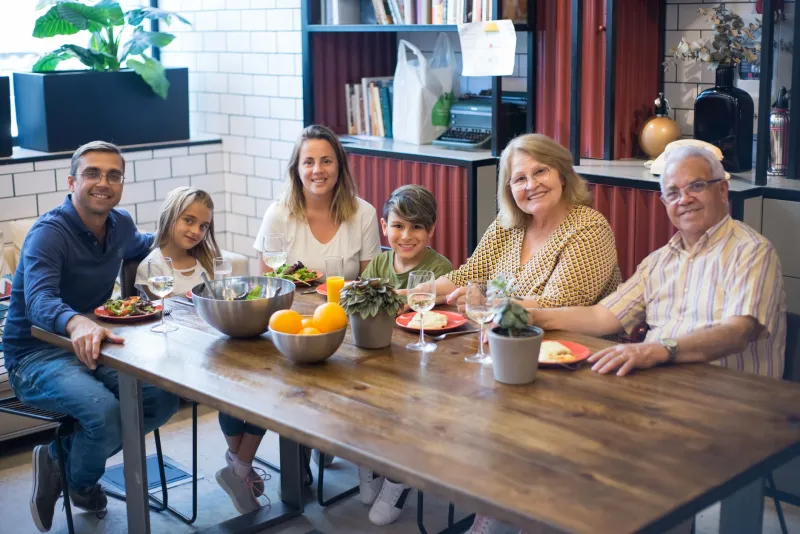
Look at old family photographs. Holiday tables, birthday spreads, and potluck shots often capture dishes that nobody thought to document in words.
Check your local library's special collections. Community cookbooks, church fundraiser pamphlets, and immigrant organization newsletters are often digitized and searchable.
Use ancestry DNA results as a starting point for research. You don't need to recreate a specific dish — sometimes just exploring the culinary traditions of a region opens unexpected doors.
Connect with cultural food communities online. Facebook groups, Reddit threads, and Instagram communities dedicated to specific cultural cuisines are filled with knowledgeable people who genuinely love helping others find their way back.
The Best Ingredient Is the Search Itself
What's perhaps most beautiful about the culinary archaeology movement is that the journey matters as much as the destination. Every phone call to a distant relative, every archive afternoon, every failed test batch brings something with it — a story, a connection, a laugh, sometimes a tear.
Maria Delgado-Reyes put it best: "I thought I was looking for a recipe. But really I was looking for my family. The mole was just the excuse."
And honestly? That sounds like the most wonderful reason to cook we've ever heard.