Flour, Fire, and Family: How Young Americans Are Falling in Love with the Way Their Ancestors Cooked
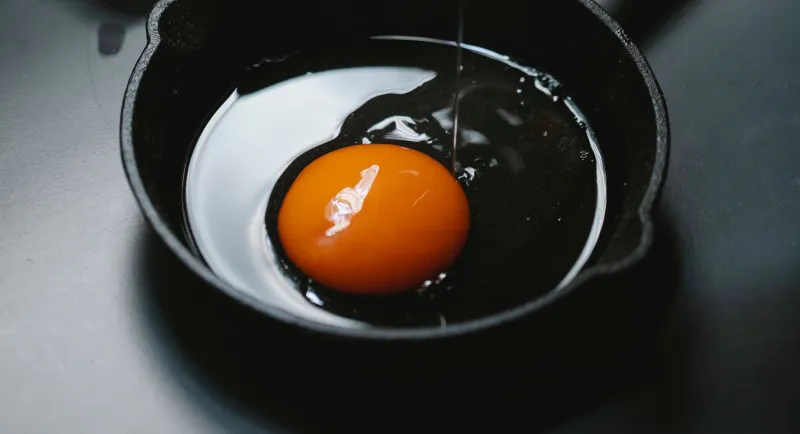
Somewhere in a Nashville apartment, a 26-year-old named Delilah is rendering lard she bought from a local hog farm. Her great-grandmother would have done this without thinking twice. Delilah had to watch fourteen YouTube videos to figure it out — and she's never felt more connected to her family in her entire life.
This is the comeback kitchen. And it's showing up everywhere.
From Brooklyn to Bozeman, a growing wave of Americans — many of them millennials and Gen Zers who grew up on boxed mac and cheese and DoorDash — are turning back the clock in the most delicious way possible. They're curing meats, milling their own grains, putting up jams, and mastering the low-and-slow techniques that once defined everyday home cooking across this country. And the more they learn, the harder they fall.
The Hunger Beneath the Hunger
So what's really driving all this? Food historians and cultural observers point to a perfect storm of factors — pandemic-era kitchen curiosity, rising anxiety about processed food, a growing sustainability movement, and something harder to quantify but very real: a deep, almost aching desire to feel rooted in something.
"People are hungry for continuity," says food historian and author Priya Mehta, who studies American culinary traditions. "We live in this very fragmented, fast-moving world, and cooking the way your ancestors cooked is one of the most tangible ways to reach back through time and hold onto something meaningful."
That resonates with Marcus, a 31-year-old from rural Georgia who started making his late grandfather's smoked sausage recipe two years ago. "I didn't grow up learning this stuff. My grandfather passed before I really understood what I was losing. When I finally cracked the recipe — when it actually tasted right — I cried. Genuinely cried in my kitchen."
That kind of emotional payoff is hard to get from a meal kit.
The Skills That Almost Disappeared
Let's be honest: a lot of these techniques nearly vanished. The convenience food revolution of the mid-20th century was so powerful, so seductive, that it quietly dismantled generations of culinary knowledge in just a few decades. Bread baking gave way to sliced loaves. Home canning became a fringe hobby. Bone broth was replaced by sodium-packed bouillon cubes.
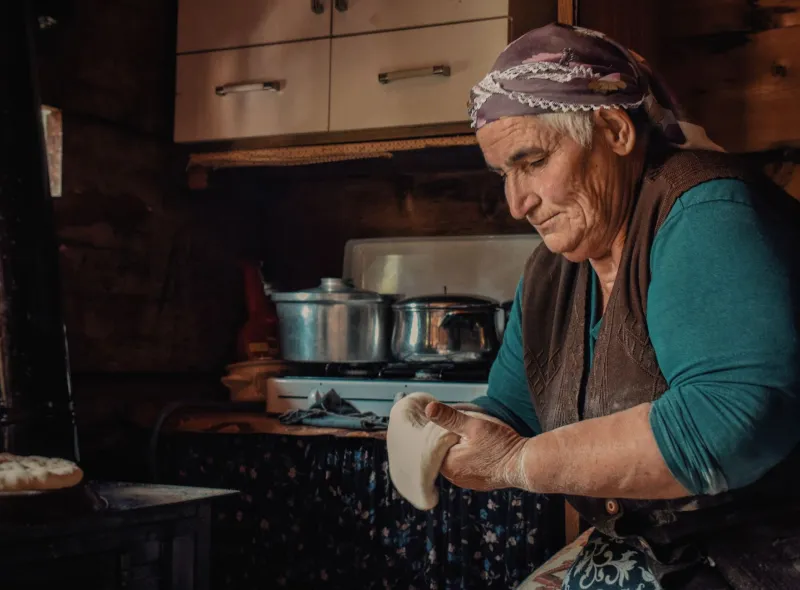
But knowledge, it turns out, is stubborn. It hides in handwritten recipe cards stuffed in junk drawers. It lingers in the muscle memory of grandmothers who still make pie crust by feel. It survives in community cookbooks from small-town churches and ethnic social clubs.
And now, people are going looking for it.
Online communities dedicated to sourdough starters, fermentation, heritage grain baking, and wood-fired cooking have exploded in membership over the last few years. The subreddit r/fermentation has millions of members. Instagram accounts devoted to cast iron cooking and open-hearth techniques rack up hundreds of thousands of followers. TikTok creators who demonstrate 18th-century cooking methods regularly go viral.
"There's this incredible appetite — pun intended — for authenticity," says chef and culinary educator Rosa Tran, who teaches historical American cooking techniques at community workshops in Portland, Oregon. "People show up to my classes and they're almost nervous, like they're about to do something sacred. And in a way, they are."
What They're Actually Making
The range of techniques people are rediscovering is genuinely impressive. Here's a taste of what's happening in comeback kitchens across the country:
Lacto-fermentation. Sauerkraut, kimchi-style vegetables, pickles made without vinegar — the old-fashioned way of preserving produce through natural bacterial cultures is having a serious moment. Home fermenters love that it's cheap, deeply nutritious, and connects them to food traditions from virtually every culture on earth.
Whole-animal cooking. Nose-to-tail cooking was once pure necessity — you used every part of the animal because wasting food wasn't an option. Today, home cooks are rediscovering the deep, complex flavors of braised trotters, slow-cooked tongue, and rich stocks made from feet and heads. It's sustainable, economical, and wildly delicious.
Heritage grain milling. A growing number of home bakers are buying countertop grain mills and sourcing heirloom wheat varieties — Red Fife, Einkorn, Turkey Red — that were common a century ago but largely disappeared with industrial agriculture. The flavor difference, they say, is revelatory.
Water bath and pressure canning. Home canning has made a full-throated comeback. Farmers' market season now ends with people putting up tomatoes, peaches, and green beans with the same urgency their great-grandparents felt.
Wood-fired and hearth cooking. This one's more niche, but the devotees are passionate. Dutch oven cooking over coals, baking in wood-fired outdoor ovens, and even open-hearth cooking have dedicated communities of practitioners who argue that nothing — nothing — tastes quite like food cooked with fire.
The Joy Is Kind of the Whole Point
Here's the thing that surprises most people when they dive into ancestral cooking: it's genuinely fun. Not in a frictionless, instant-gratification way, but in a deeply satisfying, slow-burn kind of way that our great-grandparents probably understood intuitively.
Delilah, back in her Nashville kitchen with her rendered lard, describes it this way: "There's this moment when something works — when the dough comes together, or the ferment smells exactly right, or the crust shatters the way it's supposed to — and you feel like you've unlocked something. Like you figured out a secret that was always waiting for you."
That feeling has a name in wellness circles: mastery. The psychological satisfaction of developing a genuine skill, of making something real with your hands, of understanding a process from beginning to end. It's the opposite of alienation, and in a world that can feel increasingly abstract and disconnected, it's powerful.
Rosa Tran sees it in every workshop she teaches. "People come in a little skeptical, a little intimidated. By the end, they're flushed and happy and already planning what they're going to try at home. The kitchen becomes this place of joy and discovery rather than stress."
Passing It Forward
Maybe the most beautiful part of this whole movement is what happens next. People who learn these skills don't tend to hoard them. They teach their kids. They host fermentation workshops for neighbors. They post their successes (and failures) online for strangers to learn from. They call their grandmothers and actually ask questions.
Marcus has started teaching his teenage nephew how to make sausage. "My grandfather didn't get to teach me, but I get to teach him. That's something. That's actually everything."
The comeback kitchen isn't really about the past. It's about building something that lasts — a living thread of knowledge and flavor and love that connects us backward and forward at the same time.
And honestly? It tastes incredible.