Proudly Uncool: How Americans Are Reclaiming the Passions They Once Buried in Shame

Somewhere around middle school, most of us got the memo. Certain things were cool. Certain things were decidedly not. And if you happened to love the decidedly-not things — say, building model trains, memorizing Pokémon stats, or knowing the entire plot arc of a 200-episode anime series — you learned to keep that very, very quiet.
But something funny is happening across America right now. Adults are digging through storage units, reopening old Amazon wishlists, and walking into comic book shops for the first time in twenty years. They're not sneaking in. They're strutting.
The era of the secret passion might officially be over.
The Shelf That Started It All
Derek Okafor, a 34-year-old project manager from Columbus, Ohio, kept his action figure collection in three unmarked boxes in his garage for almost a decade. He'd built it through high school — rare Marvel figures, a few vintage Star Wars pieces — then packed it all away when he left for college because, as he puts it, "I didn't want people to think I was weird."
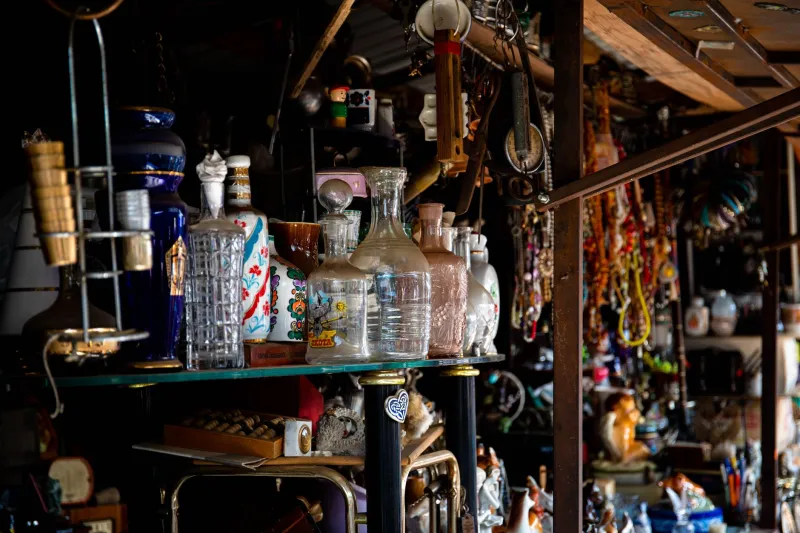
Last year, after a particularly rough stretch at work, he pulled the boxes out just to look through them. One thing led to another. He found an online community. He started going to local collectors' meetups. Now his figures are displayed in a custom glass cabinet in his living room, and he doesn't apologize for a single one.
"I used to think hiding that part of me made me seem more mature," he says. "But honestly? Getting it back out in the open made me feel more like myself than I have in years."
That feeling — of returning to something true — is exactly what's driving this quiet cultural wave.
Why We Hid in the First Place
Let's be real: American culture has a long, complicated history of sorting interests into hierarchies. Sports: acceptable. Theater: debatable. Anime: definitely sit in the back of the lunch room. These hierarchies were never really about quality or value — they were about social survival, especially during the brutal years of adolescence.
Psychologists point out that many people internalize those judgments so deeply that they carry them straight into adulthood. We stop doing the things we love not because we stopped loving them, but because we stopped feeling safe enough to love them out loud.
The shift happening now seems to be partly generational — millennials and Gen Xers aging into a confidence that younger versions of themselves couldn't access — and partly cultural, as fandoms that were once fringe have moved fully into the mainstream. Comic book movies dominate the box office. Anime is a Netflix staple. Trading cards are a legitimate investment class. The permission structure has changed.
Finding Your People on the Other Side of the Shame
For Marisol Reyes, a 41-year-old teacher from San Antonio, the turning point was a throwaway comment at a faculty meeting. She mentioned offhandedly that she'd been rewatching Sailor Moon, fully expecting eye-rolls. Instead, two colleagues immediately started talking over each other about their favorite seasons.
"I had hidden that love for so long," she says, laughing. "And then I find out my coworkers are just as deep into it as I am. We have a group chat now. We watch new episodes together virtually."
That sense of unexpected community is one of the most commonly reported side effects of reclaiming a former passion. When you stop hiding what you love, you become findable to the people who love it too. And those connections tend to run surprisingly deep, because they're built on something genuine rather than something performed.
Derek echoes this. His collectors' group has become one of his closest social circles. "These are people I would never have met otherwise," he says. "We're from totally different backgrounds. But we all care about the same things, and that's enough."
The '90s Are Very Much in the Building
Nostalgia is clearly part of the equation, but it's not the whole story. Yes, a significant chunk of what Americans are reclaiming comes wrapped in '90s packaging — Tamagotchis, Pogs, VHS aesthetic, mall-era fashion — and there's real comfort in that. Revisiting a beloved era can feel like touching something solid when the present feels slippery.
But the more interesting thing is what people are building from that foundation. They're not just rewatching old cartoons in private. They're creating YouTube channels, launching Etsy shops selling handmade fan art, starting local clubs, and writing newsletters with thousands of subscribers. The formerly embarrassing interest becomes a platform. A business. A community anchor.
Jamie Thornton, 38, from Portland, Oregon, turned his lifelong love of '90s video game soundtracks into a podcast that now gets downloaded in 40 countries. He spent most of his twenties telling people he was "into music" without ever specifying which music, because he was convinced no one would take him seriously.
"I finally just led with it," he says. "And it turned out there were tens of thousands of people waiting for exactly that conversation."
What Owning It Actually Does for You
There's a confidence that comes from full self-disclosure that's hard to manufacture any other way. When you stop managing other people's perceptions of you — when you let them see the actual thing instead of the curated version — something releases. You spend less energy. You feel less fragmented. You start to understand that the things you love are not liabilities. They're data about who you actually are.
Mental health professionals have a term for this kind of authenticity: it's linked to what researchers call "self-concept clarity" — a clear, consistent sense of who you are. And people with higher self-concept clarity tend to report greater life satisfaction, more resilience under stress, and stronger relationships.
In other words, owning your love of vintage Transformers might genuinely be good for your mental health. We're here for that.
The Most Wonderful Thing About Uncool
Here at Wonderful Chan Chan, we believe joy doesn't have a dress code. It doesn't care whether your passion is considered sophisticated or silly, mainstream or magnificently niche. Joy just cares that you show up for it.
The Americans reclaiming their formerly hidden interests aren't just having fun, though they absolutely are having fun. They're doing something braver: they're deciding that who they were, underneath all the social performance, was worth keeping. Worth showing. Worth celebrating.
So if you've got something tucked away in a box in the garage — a half-finished model, a collection of graphic novels, a folder of fan fiction you wrote at age fourteen — maybe it's time to take it out.
Not because it's cool now. But because it was always yours.
And that was always enough.